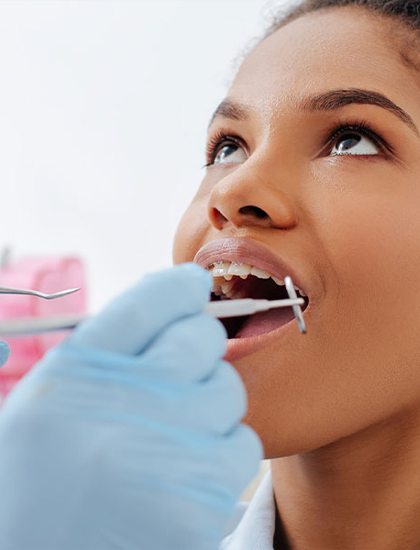
Smart Steps for Planning a Dental Care Journey That Lasts
Beginning a dental care plan starts with clarifying goals and mapping timelines that fit real life. Establish what matters most: comfort, sustainability, function, or appearance. Assess prior experiences, current symptoms, and long-term expectations, then align them with a practical visit schedule. Early conversations about preventive care, materials, and imaging help you verify priorities and avoid scope creep. Build a simple record of medications, sensitivities, and lifestyle habits to streamline every appointment.
Next, consider access and logistics so treatment remains predictable. In practice, dental visits intersect with work, family obligations, and budget windows. Sequence cleanings, diagnostics, and restorative steps to minimize downtime, and buffer extra time for aftercare when necessary. Explore how transportation, parking, and appointment length influence your cadence. When sedation is discussed, plan accompaniment and recovery space at home, validating that your timeline supports a safe, low-stress experience.
Materials selection deserves attention because durability and maintenance vary. Often, choices for fillings, bridges, or implant restorations involve trade-offs among strength, aesthetics, and ongoing upkeep. Ask how each option performs under your bite forces and dietary patterns, and document care routines to maintain surfaces over time. Meanwhile, sustainability considerations—like waste reduction and efficient sterilization—can align with personal values without compromising clinical quality or comfort.
Diagnostics should be staged to maximize clarity while limiting redundancy. Then, request that imaging and chart notes be shared in a portable format, keeping your records accessible if you need a second opinion. Calibrate expectations around what each scan or impression will inform, so you do not repeat steps. If gum health is in question, a focused assessment can refine treatment sequencing, placing Gum Disease Treatment before cosmetic or complex restorative work.
For day-to-day maintenance, anchor your plan around General & Preventative Dentistry to reduce surprises. Beyond that, reinforce at-home routines with guidance on brushing angles, interdental cleaning, and fluoride exposure tailored to your enamel and sensitivity. Validate that your tool set—brushes, flossers, water flossers—actually fits your dexterity and schedule. Small refinements can reduce plaque load significantly, helping you extend intervals between corrective procedures.
When aesthetics are a priority, Cosmetic Dentistry can be phased to match your calendar and budget. Start with whitening or minor contouring only after gum stability is confirmed, preventing rework. If veneers or layered restorations are considered, verify shade and shape in provisional stages before final placement. Discuss adjunctive options such as Botox & Fillers, Microneedling, or PRP Hair Growth thoughtfully if facial balance or confidence goals intersect with your dental timeline.
Functional repairs should be scoped with Restorative Dentistry principles that protect remaining tooth structure. Inspect cracked or decayed areas early to prevent escalation. Dental Fillings, Dental Bridges, or Dentures & Partials may be staged to stabilize bite forces while you plan longer-term solutions. If a tooth is salvageable, Root Canals can preserve foundations for future crowns; if not, Dental Implants may be mapped with bone assessments and temporary chewing strategies.
Comfort management matters throughout the process. However, Sedation Dentistry is just one tool; discuss lighter options like topical and local anesthetics, noise-canceling, or paced appointments. Validate your medical history with the clinical team to minimize risks, and maintain clear aftercare instructions for hydration, nutrition, and medication timing. By planning rest periods and gentle follow-ups, you can reduce inflammation and keep healing on track.
Financial planning works best when you document benefits and phase treatments. Meanwhile, ask for transparent estimates, including potential lab remakes or adjustments, and build a reserve for contingencies. Verify which services are elective versus medically necessary, and clarify timelines for any pre-authorizations. A staged approach—stabilize, restore, refine—can spread commitments while maintaining momentum toward your desired outcome.
Finally, think lifecycle. Inspect retainers, night guards, and provisional restorations at each visit, and maintain a digital log of repairs and wear patterns. If diet, medications, or stress change, revisit your plan to recalibrate risk and maintenance intervals. By sequencing prevention, function, and aesthetics thoughtfully, you create a resilient roadmap that adapts with you, supporting a healthier mouth and a confident, sustainable smile.